

What Are Invisalign Attachments and How Do They Work?
If you’ve ever thought about straightening your teeth with Invisalign, you’ve probably heard the term “attachments” thrown around. Maybe you’ve wondered, Do I really need them? Are they noticeable? Don’t worry—you’re not alone. Invisalign attachments are a crucial part of the system, and understanding how they work can help you feel more confident about your treatment and what to expect along the way.
Invisalign Isn’t Just About Clear Trays
Invisalign is famous for being nearly invisible, convenient, and removable—but the clear trays alone aren’t always enough to move teeth into their ideal positions. This is where attachments come in. They act like tiny handles that give the aligners more grip, allowing them to apply precise pressure to shift your teeth more effectively.
Think of it like trying to move a stubborn piece of furniture. Sometimes, you need an extra hand or leverage to get it in the right spot. Invisalign attachments give your aligners that extra “leverage” so your teeth can move in ways trays alone sometimes can’t manage.
What Exactly Are Invisalign Attachments?
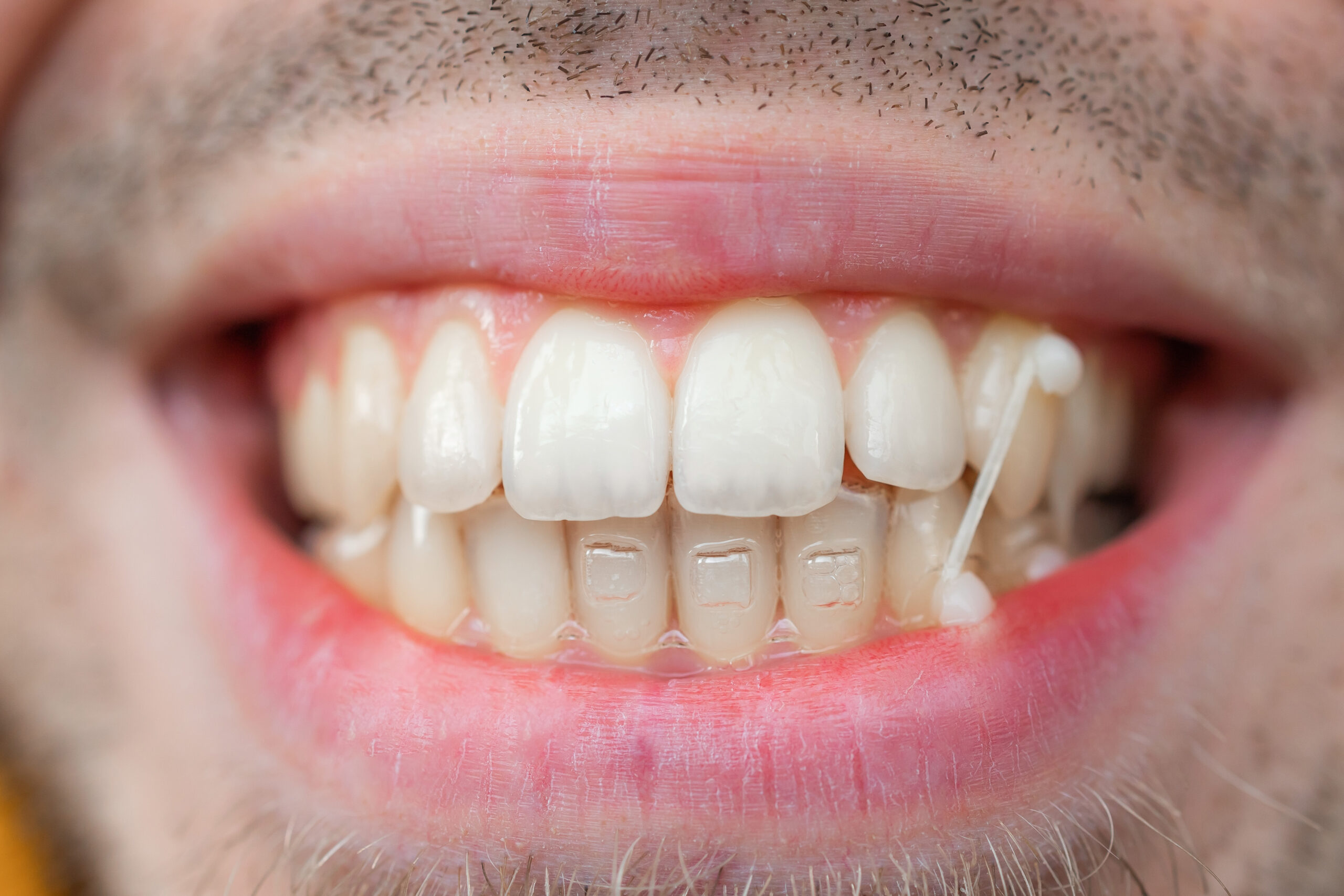
Invisalign attachments are small, tooth-colored bumps made from dental composite—the same type of material used for fillings. They’re bonded directly to certain teeth and are designed to match your natural enamel as closely as possible, so they’re not highly noticeable.
These attachments aren’t permanent. They stay in place for the duration of your treatment and are removed once your Invisalign plan is complete. The process is quick, painless, and doesn’t harm your teeth—kind of like getting a temporary sticker that actually helps your smile.
How Invisalign Attachments Work
The magic of Invisalign attachments is all about force and precision. Here’s the breakdown:
-
Force Distribution: The attachments create surfaces for the aligners to push against, which allows your teeth to rotate, tilt, or move vertically in ways that trays alone might struggle to achieve.
-
Controlled Movement: Each attachment is strategically placed based on your treatment plan. Your orthodontist designs them to apply just the right amount of pressure to each tooth for precise movement.
-
Improved Efficiency: With attachments, the aligners don’t have to work as hard or take as long to achieve the desired results. This can sometimes mean fewer overall aligners and a smoother treatment experience.
Attachments come in different shapes depending on what they need to do. Some are rectangular, some are more rounded, and each one is positioned differently to target specific tooth movements. Your orthodontist will customize this entirely for you.
Are Invisalign Attachments Noticeable?
This is probably the biggest concern people have. The good news is that attachments are tooth-colored, so they blend in with your smile. You may notice them at first because they feel a little different when you run your tongue over your teeth, but most people barely notice them, and they’re far less visible than traditional braces.
Because attachments are small and strategically placed, they won’t interfere with eating or speaking. The aligners cover them, and in everyday social situations, almost no one will realize you have them.
Do Attachments Hurt?
Attachments themselves don’t hurt. The feeling you might notice is similar to what you feel when you first put in a new set of aligners: a bit of pressure or tightness. That pressure is a good sign—it means your teeth are moving, which is exactly what you want!
Any soreness usually lasts just a few days after switching to a new set of aligners. Over-the-counter pain relievers or soft foods can help if you experience discomfort.
Caring for Invisalign Attachments
Maintaining attachments is mostly about keeping your teeth and aligners clean. Since attachments are small and raised, food can get trapped around them if you’re not careful. Here are some tips to keep things in check:
-
Brush and floss thoroughly, paying attention to areas around the attachments.
-
Clean your aligners as instructed by your orthodontist.
-
Avoid sticky or hard foods that could potentially loosen an attachment.
Following these steps helps your attachments stay in place and ensures your treatment progresses as planned.
Why Some Teeth Need Attachments and Others Don’t
Not every tooth requires an attachment. Their placement is determined by your orthodontist based on the movement needed for your smile. For example, teeth that need rotation or vertical movement are more likely to get attachments, while teeth that mostly move forward or backward may not.
Each attachment is part of a customized strategy to make your treatment as efficient and effective as possible. Think of it as a personalized roadmap for your smile.
The Role of Your Orthodontist in Attachment Placement
Attachment placement is not random—it’s a carefully planned step in your Invisalign treatment. Your orthodontist will examine your teeth, review your digital treatment plan, and place each attachment precisely where it’s needed.
Because attachments are so important to moving teeth correctly, working with a skilled orthodontist ensures your treatment goes smoothly. Regular check-ins let your orthodontist monitor progress, adjust attachments if necessary, and make sure your smile is on track.
Getting the Best Results From Invisalign Attachments
The most important thing you can do is wear your aligners as prescribed. Attachments are only effective when the aligners are in place for the recommended 20–22 hours per day. Skipping time in the trays can slow progress or reduce the effectiveness of the attachments.
Stay consistent with oral hygiene and follow your orthodontist’s instructions. When used correctly, attachments can make your Invisalign treatment faster, more predictable, and more successful.
Invisalign Attachments Are a Game-Changer for Complex Cases
While Invisalign is already a discreet and convenient alternative to braces, attachments allow it to tackle more complex movements that were once only possible with traditional braces. Teeth that need rotation, tipping, or vertical alignment can be treated more predictably, giving you a straighter smile without metal brackets or wires.
Attachments are a small addition with a big impact, helping Invisalign live up to its promise of a convenient, invisible, and effective orthodontic treatment.
Ready to Learn If Invisalign With Attachments Is Right for You?
If you’re considering Invisalign and want to understand how attachments can make your treatment more precise and efficient, it’s time to talk to a professional. Sloss & Carpenter Orthodontics in Centennial, CO offers personalized Invisalign evaluations, including an in-depth review of whether attachments are necessary for your smile.
Working with a trusted orthodontist in Centennial CO, you can get answers, see a clear treatment plan, and start your journey toward a confident, straight smile.
Transform Your Smile With Sloss & Carpenter Orthodontics
Invisalign attachments may be small, but they make a huge difference in creating a predictable, beautiful smile. With expert guidance from Sloss & Carpenter Orthodontics, your aligners and attachments work together seamlessly to get the best results possible. Contact Sloss & Carpenter Orthodontics today to schedule a consultation and take the first step toward the smile you’ve always wanted.